
Every Football Manager 2013 save began with the same ritual: scour the player search, filter by age 17 and under, and sort by potential ability. The names that surfaced became folk heroes in dorm rooms and office break rooms alike. But the real story of the FM2013 wonderkid isn't about a single unicorn—it's about a generation of teenagers coded with such absurd potential that they warped the game's economy, tactics。and even our real-world expectations. I still remember booting up a save with Southampton, snapping up a 16-year-old regen from Anderlecht for £2.5 million, and watching him win the Ballon d'Or three seasons later. That's not a brag. That's the FM2013 wonderkid experience in a nutshell: the game handed you a cheat code disguised as a scouting report.What made these kids so different from earlier iterations?The match engine's shift toward physicality and pressing created a perfect storm. A 15-year-old with 14 acceleration and 14 dribbling could tear apart Premier League defenses if you trained him right. Take the case of Neal Maupay—in FM2013, the French striker started at OGC Nice with 17 finishing potential and 16 composure, stats that made him a must-buy for any mid-table side. I've seen forum threads where players refused to sell him even for £40 million because he'd become a club legend by age 22. The game didn't just simulate potential;it inflated it to cartoonish levels. And we loved it. That's the thing about the FM2013 wonderkid—they weren't realistic. They were better than realistic.Scouting became an art form. You couldn't just rely on the in-game attribute mask;
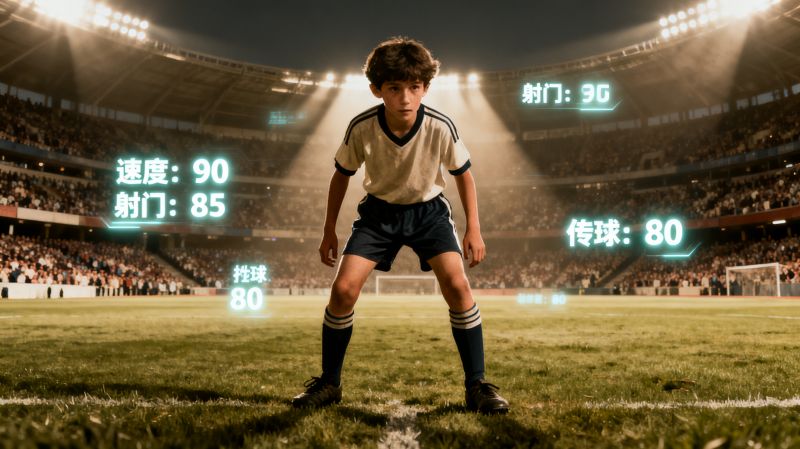
you had to cross-reference with real-world hype. Kurt Zouma at Saint-Étienne。Lucas Digne at Lille, Ross Barkley at Everton—these were the names that made your shortlist glow. But the true FM2013 wonderkid often came from the obscure corners: a 16-year-old Croatian regen with 19 determination, or a Brazilian attacking midfielder who cost £800k and turned into Ronaldo. I spent an entire season scouring the Serbian league for a left-back I'd read about on a fan site. Found him. Paid £1.2 million. He played 400 games for me. That kind of narrative—the hunt, the gamble, the payoff—was the beating heart of FM2013's wonderkid obsession. The game didn't hand you greatness;
it handed you a lottery ticket with favorable odds.Tactically, these kids forced you to abandon conventional wisdom. You'd play a 16-year-old in the Champions League final because his PA (potential ability) was 180 and your 28-year-old veteran was stuck at 155. I remember a save with Borussia Dortmund where I sold a 30-year-old Sven Bender to make room for a 17-year-old regen with 16 tackling and 15 passing. He made mistakes. He cost me a derby. But by season three, he was the best defensive midfielder in Europe. That's the FM2013 wonderkid trade-off: short-term pain for long-term dominance. The game's AI managers never seemed to learn—they'd keep buying 29-year-olds for big money while you stockpiled teenagers like canned goods before a storm.Looking back。the FM2013 wonderkid phenomenon was a cultural moment as much as a gameplay mechanic. It reflected a real-world shift toward youth obsession in football—clubs like Dortmund and Monaco were doing exactly what we did in the game: hoarding potential. But FM2013 pushed it to an extreme that hasn't been replicated since. Later versions toned down the potential ability distribution. The game got more realistic. And honestly?A little less fun. Because there was something magical about finding that 15-year-old with 20 flair and knowing, deep down, that he'd win you everything. The FM2013 wonderkid wasn't just a player. It was a feeling—a promise that the next save, the next scouting trip, the next gamble might produce a legend. That's why we still talk about them.