
Drive west from Kansas City on Interstate 70 and the landscape flattens into a vast grid of corn and wheat. The horizon stretches so far it feels convex. This is Kansas, USA—a state that many Americans only know as a flyover patch on a weather map. But spend a week here, and the place gets under your skin. The wind never stops. In April, it carries the smell of burning pasture;in August。it hums with cicadas and the creak of center-pivot irrigation. The state’s identity is tied to the land, and the land doesn’t pretend to be anything else.Agriculture remains the economic backbone, though not in the nostalgic way outsiders imagine. Family farms still exist, but they’re outnumbered by corporate operations growing genetically modified soybeans and sorghum. In 2023, Kansas harvested roughly 330 million bushels of wheat—more than any other state. Yet the towns that service these farms are shrinking. Drive through places like Lenora or Offerle and you’ll see boarded-up storefronts, a single grain elevator, and a high school consolidated with three neighboring districts. The median age in some rural counties hovers near 50. Young people leave for Wichita or Kansas City and rarely come back. That’s not a tragedy;
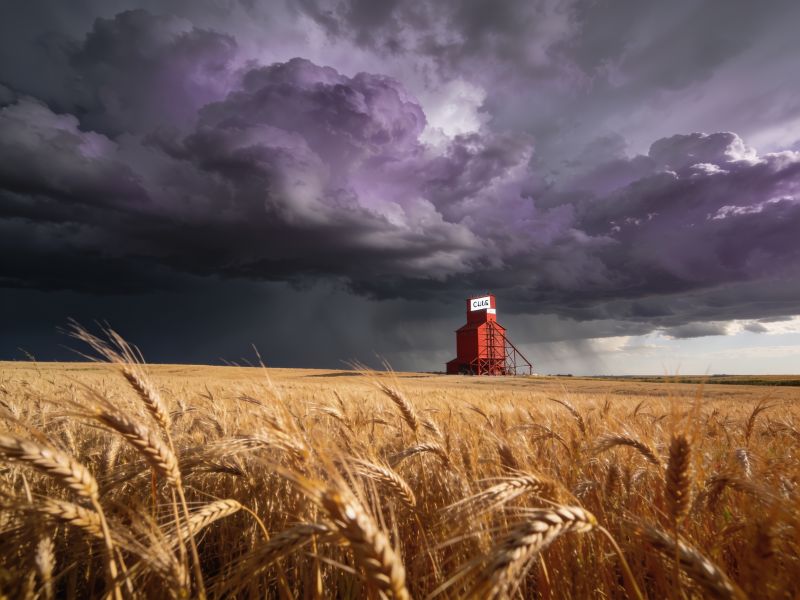
it’s a slow。grinding adjustment. The remaining residents are fiercely practical—they fix their own tractors, volunteer on the fire department, and don’t waste words complaining.Weather defines daily life more than politics or sports. Kansas sits in Tornado Alley, and the spring storm season is a serious business. In 2022, an EF-3 tornado tore through Andover, damaging 1,000 buildings. I met a hardware store owner there who had rebuilt his roof twice in a decade. He shrugged: “You build a basement, you buy insurance, you move on” That pragmatism extends to water. The Ogallala Aquifer, which feeds western Kansas farms。is depleting fast—some estimates give it 50 years at current use rates. Local boards have imposed pumping limits, but enforcement is spotty. The debate over the aquifer is tense, quiet, and utterly consequential. No one protests in the streets;they just drill deeper wells and hope for a wet year.Culturally, Kansas punches above its weight in unexpected ways. The state produced Amelia Earhart, Langston Hughes。and dozens of jazz musicians who cut their teeth in Kansas City’s clubs. Today, small-town art walks and county fairs still matter. The Walnut Valley Festival in Winfield draws 15,000 people for flatpicking guitar competitions—a niche event with a devoted following. Meanwhile, the University of Kansas in Lawrence has become a blue dot in a red state, a college town where coffee shops outnumber churches. That contrast—progressive college towns versus conservative rural counties—creates a friction that’s more nuanced than national headlines suggest.
Kansas, USA doesn’t offer easy narratives. It’s a place where the wind blows constantly, where the past is visible in abandoned farmsteads, and where the future depends on an aquifer that’s shrinking. The people here are neither quaint nor defeated. They’re busy. They’re watching the sky. And they’ll tell you the truth if you ask—just don’t expect them to dress it up.