
he final whistle blows in Shanghai, and within seconds, a clip of the winning goal is already circulating on Weibo. That’s the reality of Chinese Super League online today—fast, fragmented, and fiercely interactive. Traditional broadcast schedules no longer dictate when fans engage. Instead, a growing ecosystem of streaming platforms, social media accounts, and fan-run forums has turned the league into a 24/7 digital conversation. I’ve watched this shift firsthand。and it’s not just about convenience;
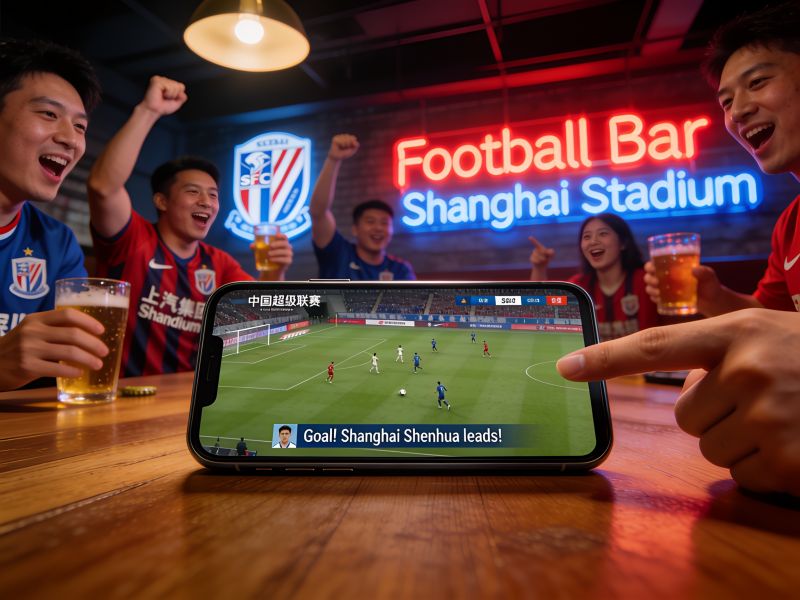
it’s changing how supporters relate to the game.Take the 2023 season opener between Beijing Guoan and Shanghai Port. The match itself drew a respectable stadium crowd, but the online audience dwarfed it. That’s where Chinese Super League online truly lives. Platforms like Tencent Sports and Douyin streamed the game with multi-camera angles。real-time stats overlays, and live chat that scrolled faster than a counterattack. One Beijing fan I spoke with admitted he muted the commentary and followed a popular tactics thread on Twitter instead. “The TV feed feels slow now” he said. That sentiment is common. Interactive layers—polls, prediction games, even virtual cheering—have become part of the viewing ritual, not a bonus.But this digital shift isn’t without friction. Piracy remains a persistent headache. Unofficial streams pop up minutes before kickoff, often with better latency than legal options in some regions. The league and its partners have ramped up takedowns, yet the cat-and-mouse game continues. Meanwhile, official Chinese Super League online content sometimes feels sanitized—carefully curated highlights and press-conference clips that lack the raw edge fans crave. That gap has fueled a thriving ecosystem of independent bloggers and podcasters who dissect transfers, tactics, and referee decisions with a candor you won’t find on official channels. Their audiences are small but loyal。and their influence is growing.
What’s most striking is how Chinese Super League online has lowered the barrier for regional fans. A supporter in Chengdu can follow every away game of their local club without a cable subscription, and a diaspora fan in London can catch a late-night stream. This accessibility has knitted together a fragmented fan base. WeChat groups coordinate watch parties;Bilibili users upload meticulously edited match recaps;even short-video platforms host fiery debates about squad rotation. The league’s online presence is no longer a supplement to the stadium experience—it’s a parallel universe where fandom is performed, contested, and celebrated.Looking ahead, the challenge is monetization without alienating viewers. Paywalls are creeping in。and some clubs are experimenting with exclusive behind-the-scenes content for subscribers. It’s a delicate balance. Fans will pay for authenticity and access, but they’ll abandon platforms that treat them as passive consumers. The most successful Chinese Super League online initiatives I’ve seen are those that invite participation—live Q&As with players, fan-voted goal of the month。even crowd-sourced commentary clips. That’s the lesson: in the digital arena, engagement isn’t a metric;it’s the product. And the league is slowly learning to play by those rules.