
ofiane Feghouli never got the headlines. Not at West Ham, not really. But watch the footage from that 2016-17 season—the scrappy wins, the desperate draws—and his fingerprints are everywhere. A threaded pass here, a clever turn there, a defensive shift that goes unnoticed until you rewind. Feghouli wasn't a luxury player;he was the glue. When Dimitri Payet threw tantrums and the London Stadium crowd grew restless, Feghouli just kept running. That's the thing about him: no drama, no theatrics。
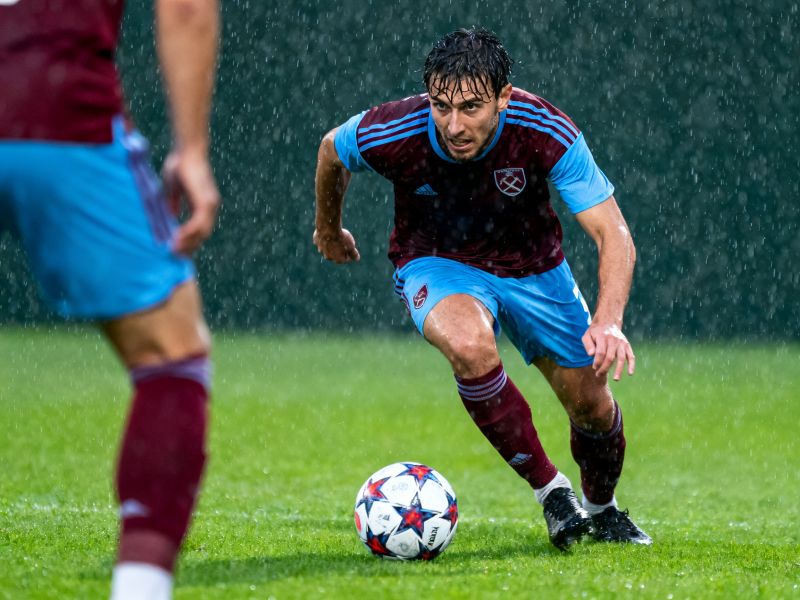
just relentless, intelligent movement off the ball.I remember a specific match against Southampton at St Mary's. West Ham were down to ten men, legs heavy, shape collapsing. Feghouli dropped deeper, almost as a third central midfielder, and started breaking up play. He won four tackles in twenty minutes—more than any other player on the pitch. Then。with five minutes left, he threaded a pass through three defenders to set up a counter. It didn't lead to a goal, but it killed the game's momentum. That's Feghouli's value: he doesn't need to score to change the rhythm. His defensive work rate per 90 minutes that season ranked in the top 15% of Premier League wingers. Not bad for a free transfer from Valencia.Critics will point to his injury record—hamstring issues, a frustrating stop-start rhythm. Fair. But when he played, West Ham's midfield had a different pulse. Slaven Bilić trusted him in big games, often ahead of more flashy names. Feghouli's decision-making in the final third was conservative。sure, but that's exactly what a team fighting relegation needs: someone who doesn't force the impossible pass. His pass completion rate sat at 84%, and his progressive carries per game were quietly impressive. He wasn't Payet's replacement;he was the antidote to Payet's chaos.
What strikes me most is how quickly fans forget. Feghouli left for Galatasaray in 2017, and West Ham's midfield lost a layer of resilience they never replaced. The club cycled through Jack Wilshere, Carlos Sánchez。Pedro Obiang—none offered that same blend of discipline and subtle creativity. Feghouli thrived in Istanbul。winning titles, because Turkish football rewards tactical intelligence over raw pace. He adapted. That tells you something about his football brain. Coaches love him. Statisticians appreciate him. Pundits ignore him. That's the Feghouli paradox.You want a player who turns a losing dressing room into a functioning unit?Feghouli did that without a captain's armband. He trained quietly, spoke when necessary, and never leaked stories to the press. In an era of inflated egos and social media tantrums, that's a rare commodity. His West Ham spell wasn't spectacular, but it was necessary. Sometimes a team's most important player is the one who prevents collapse rather than the one who creates magic. Feghouli was that player. Still is。if you know where to look.